The aggregate industry is deeply committed to environmental stewardship and is a critical part of Ontario's circular economy.
Sustainability is a core priority for Ontario’s aggregate industry. OSSGA and its members are committed to responsible resource development that supports the materials needed to build homes, roads, transit systems and other essential infrastructure while protecting the environment and planning for future generations.
Through environmental stewardship, progressive rehabilitation, innovation and continuous improvement, the industry works to balance the demand for aggregate resources with the responsible management of Ontario’s natural environment.
How are pits and quarries rehabilitated?
Rehabilitation is an integral part of the aggregate extraction process and is planned before operations begin. Under Ontario’s regulatory framework, aggregate sites are required to be rehabilitated following extraction, with end uses that may include agriculture, forests, wetlands, wildlife habitat, recreational areas or naturalized landscapes.
Many operations also undertake progressive rehabilitation, restoring portions of a site while extraction activities continue elsewhere. This approach helps accelerate environmental benefits and allows land to be returned to productive use sooner.
Across Ontario, former pits and quarries have been transformed into productive agricultural lands, community parks, conservation areas, forests and wildlife habitats, demonstrating how aggregate extraction and environmental stewardship can work together to create long-term value for communities.
What does sustainability mean in the aggregate industry?
Sustainability in the aggregate industry means meeting society’s need for essential construction materials while minimizing environmental impacts, supporting local communities and planning responsibly for the future.
This includes protecting natural resources, reducing emissions, improving operational efficiency, promoting biodiversity, managing water resources responsibly and rehabilitating land following extraction. It also involves maintaining safe workplaces, engaging with communities and supporting the economic growth that aggregates help make possible.
As demand for housing and infrastructure continues to grow, sustainability helps ensure that Ontario’s aggregate resources are developed responsibly and remain available to support the province’s long-term needs. Through innovation, stewardship and continuous improvement, the industry is working to build a more sustainable future for Ontario’s communities and infrastructure.
Rehabilitation
Rehabilitation of a pit or quarry is the process of restoring the land from which aggregate has been extracted to either its former use or to a new use or condition compatible with the surrounding landscape. As an industry we are deeply committed to comprehensive and progressive land rehabilitation. Pit and quarry operators progressively rehabilitate their sites; this process minimizes the open areas within a pit or quarry, prevents soil erosion and eliminates double handling of soil materials. Once aggregate is extracted from a pit or quarry, the site is rehabilitated into productive wildlife habitat, wetlands, golf courses, recreational parks, urban uses, conservation lands, forestry or agriculture. There are countless examples of former pits and quarries that are now community assets.


Recycled Aggregate
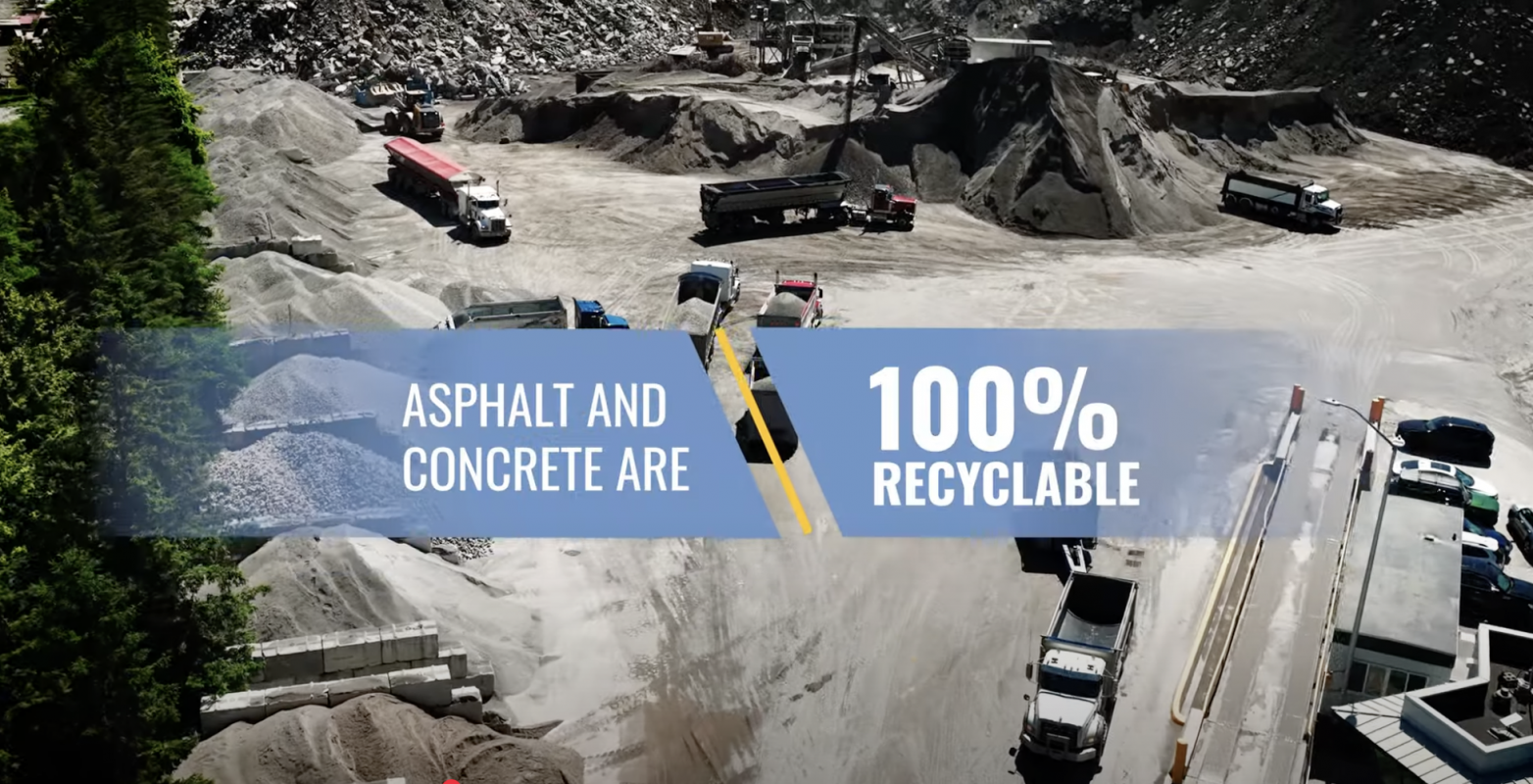
OSSGA advocates for the re-use of recovered aggregate materials from demolition, road reconstruction and infrastructure projects in new construction. Across the province, millions of tonnes of such recycled aggregate are stockpiled, awaiting use in road construction. Recycling concrete and asphalt is beneficial both environmentally and economically. It helps preserve non-renewable resources, reduces the need for new quarries and pits, and lowers energy consumption and greenhouse gas emissions from long-distance truck hauling.
OSSGA recently partnered with the Toronto Area Road Builders' Association (TARBA) to promote Recycled Crushed Aggregate.
Water Management
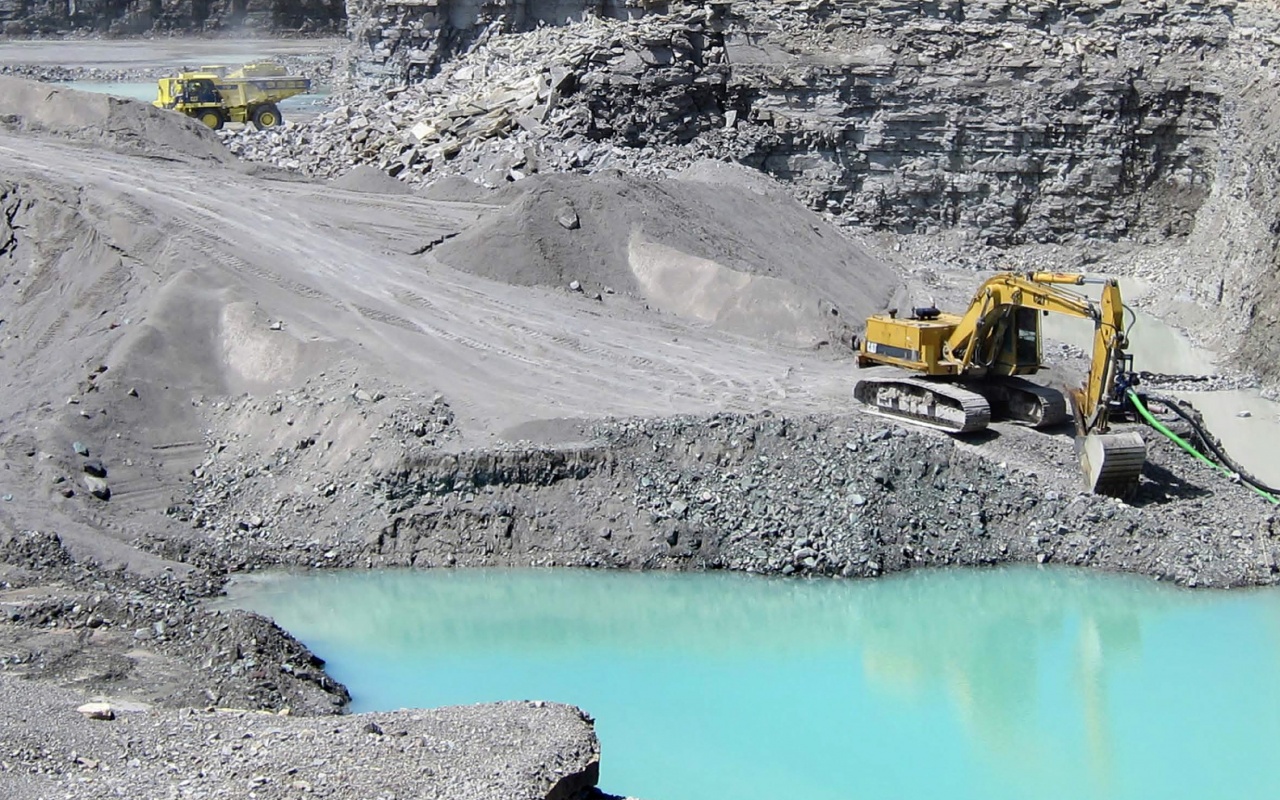
Aggregate producers are primarily water handlers and not consumers. Water usage at pits and quarries is less than 2 per cent of the total water taken in Ontario and over 92 per cent of this water is returned to the local watershed. The handling and use of water in an aggregate operation is regulated by multiple legislative requirements which require, among other things, the submission of detailed scientific studies prior to any approval being granted. Once extraction at a quarry is completed, the site is rehabilitated creating water assets and enhancing the natural environment in ways that help mitigate the local impacts of climate change. No chemicals are used in water on aggregate sites.
Excess Soil
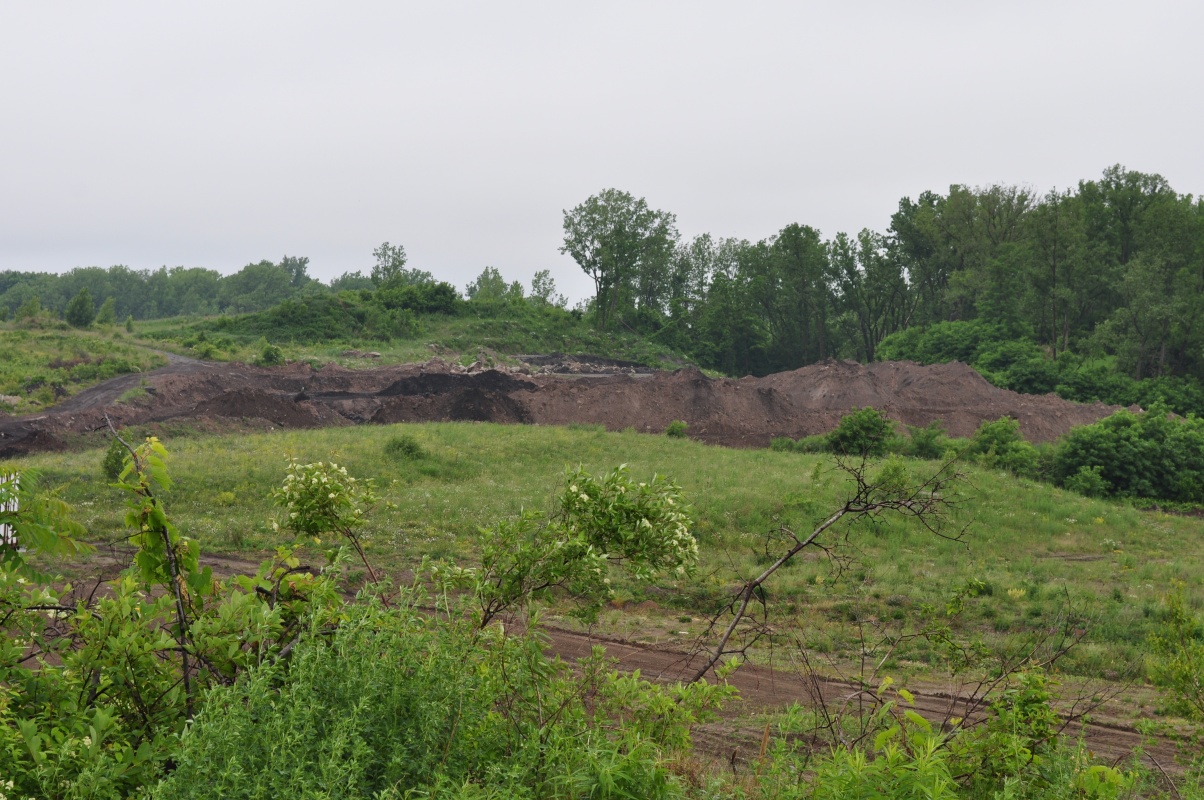
Pits and quarries rely on excess soil to rehabilitate their sites or to be used for other environmentally beneficial purposes. For a pit or quarry operator to import soil, it must be approved under the ARA and stored in accordance with the Excess Soil Rules. Aggregate producers follow Best Management Practices when importing soil to ensure that the imported soil does not cause an adverse environmental impact. OSSGA supports the use of a QP using site-specific information when determining potential reuse options for excess soil.
Net Zero
OSSGA and its members are committed to reducing their carbon footprint to reach net-zero emissions by 2050. The aggregate industry plays a critical role in Ontario’s circular economy and is already a driving force contributing to carbon neutrality in many ways. A plan to reach net-zero aggregates will capture these long-term and continuing business practices and provide guidance around practical approaches and methods to make day-to-day aggregate processes sustainable.
Learn more about our new Net Zero award and apply here!
EPDs
OSSGA is in the process of exploring options to assist the membership with Lifecycle Assessment (LCAs) and Environmental Product Declarations (EPDs) for stone, sand and gravel.